Long, chaotic queues have long been one of the most frustrating aspects of customer service in banks, hospitals, government offices, and retail outlets across Saudi Arabia. The traditional approach to queuing—where customers must physically stand in line with no visibility into wait times—creates dissatisfaction, wastes valuable time, and reflects poorly on service providers . This is where a modern Queue Management System becomes a game-changing solution, transforming disorganized waiting areas into streamlined, professional environments that enhance both customer satisfaction and operational efficiency.
As Saudi Arabia accelerates toward its Vision 2030 goals of digital transformation and service excellence, the demand for sophisticated queuing solutions is growing rapidly across the Kingdom. This is particularly evident in the Eastern Province, where cities like Dammam and Khobar are emerging as key markets for queue management technology. This comprehensive guide explores the landscape of queue management systems in Saudi Arabia, highlighting their benefits, features, and why partnering with the right provider is essential for success.
Understanding the Queue Management System
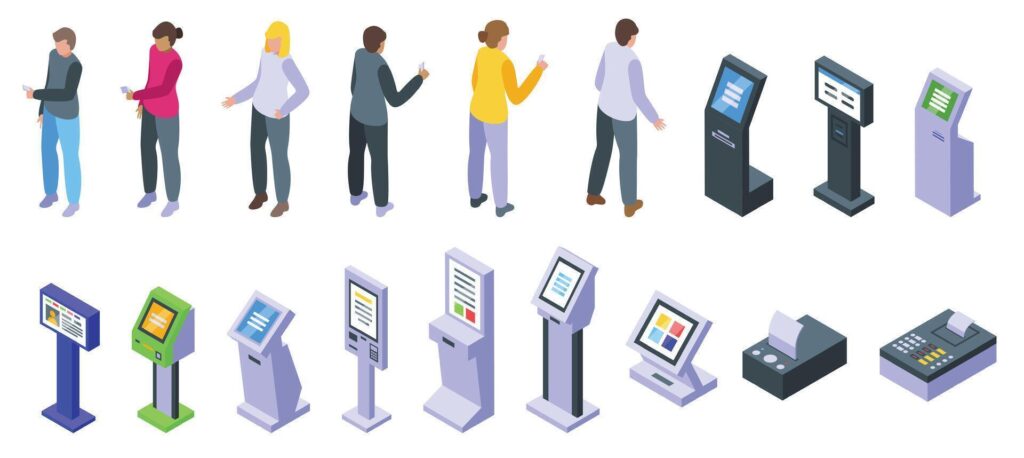
A Queue Management System (QMS) is a comprehensive digital solution designed to manage customer flow by automating the queuing process . Modern systems include features such as digital ticket dispensers, display screens, audio announcements, virtual queuing capabilities, mobile notifications, and real-time analytics dashboards .
How Modern Queue Management Works
In a modern QMS, the process is simple yet transformative:
- Digital Check-In: Customers receive a ticket from a kiosk at the premises or join the queue remotely by scanning a QR code or accessing a web link from their mobile device .
- Real-Time Tracking: The system provides customers with live updates on their queue position and estimated wait time, eliminating uncertainty and reducing anxiety .
- Service Call: Staff call the next customer through digital displays and audio announcements.
- Advanced Analytics: Managers gain insights into traffic patterns, peak hours, and service efficiency to optimize operations .
Key Components of an Effective System
A robust queue management system integrates several critical components:
- User-Facing Interface: What customers see—queue position, estimated wait time, and clear messaging .
- Queue Logic and Traffic Control: The engine that decides who enters the service queue and under what conditions .
- Virtual Waiting Room: A controlled environment where customers wait without physically standing in line .
- Real-Time Communication: Status updates and notifications that reassure customers .
- Analytics and Monitoring: Tools that track traffic levels, wait times, and performance .
Queue Management System in Dammam
Dammam, the capital of the Eastern Province and a cornerstone of Saudi Arabia’s industrial and energy sectors, represents a significant and growing market for Queue Management Systems in Dammam. The city’s status as a major commercial and administrative hub creates substantial demand for queuing solutions across multiple sectors.
Government Sector Adoption
Dammam’s government offices handle significant volumes of citizen services daily. Leading queue management system providers in the region offer comprehensive solutions suitable for banks, hospitals, healthcare centers, post offices, notary offices, licensing units, and various public services . These systems ensure that every customer receives service according to priority of arrival, bringing order to busy service centers.
Banking and Financial Services
With numerous bank branches concentrated in Dammam’s commercial areas, the banking sector has been a major adopter of queue management technology. Systems featuring token dispensers, digital displays, and real-time monitoring help banks manage customer flow during peak hours and special events.
Industrial and Corporate Applications
Dammam’s industrial base and corporate sector require sophisticated queuing solutions for managing employee services, visitor management, and facility access. The city’s role as an industrial powerhouse creates demand for customizable systems capable of handling multiple service points and complex workflows.
Queue Management System in Khobar
Khobar, a major city in the Eastern Province and part of the Dammam metropolitan area, presents unique opportunities for Queue Management Systems in Khobar. The city’s status as a commercial center with a diverse business ecosystem creates specialized requirements for queuing solutions.
Commercial and Retail Sector
Khobar’s vibrant commercial sector, including major shopping centers, retail chains, and service establishments, has embraced queue management to enhance customer experience. Modern systems featuring virtual queuing capabilities allow customers to join queues remotely and receive real-time notifications, eliminating the need to physically wait at the location .
Healthcare Facilities
Khobar’s major hospitals and healthcare centers have been early adopters of queue management technology. Systems tailored for medical facilities help manage patient flow in outpatient departments, reducing wait times and improving the overall patient experience.
Traffic and Urban Management
Khobar has also been a focus of academic research on queuing applications for traffic management. Studies have examined queuing models for applications ranging from traffic police patrol allocation and dispatching to traffic signal timing optimization, highlighting the city’s role as a center for advanced queuing research .
The Business Case for Queue Management Systems
Organizations that implement queue management systems experience significant improvements across multiple dimensions of their operations:
- Reduced Waiting Times: Digital queuing eliminates the need for customers to physically stand in line, allowing them to manage their time more effectively .
- Enhanced Customer Satisfaction: Clear queue positions and estimated waiting times reduce anxiety and perceived waiting time, even during peak demand periods .
- Improved Staff Productivity: Real-time data enables managers to optimize staffing and service point deployment.
- Better Resource Allocation: Analytics reveal patterns in demand and peak times, helping organizations plan more effectively .
- Professional Image: Creates a modern, organized environment that builds customer trust.
Industries Benefiting from Queue Management
Queue management systems benefit a wide range of organizations :
- Banking and Financial Services: Managing customer flow during peak hours.
- Healthcare: Reducing patient wait times in outpatient departments.
- Government Offices: Streamlining citizen services.
- Retail and Hospitality: Managing access to services and events .
- Transport and Travel: Handling surges in bookings during peak travel windows .
- Restaurants and Salons: Managing customer tables and appointments .
The NextGen Technologies Advantage
In this competitive and rapidly evolving market, The NextGen Technologies (thenextgentechnologies.com) has emerged as a premier provider of innovative queue management solutions. With deep expertise in automation and IT solutions, The NextGen Technologies is perfectly positioned to help businesses across Dammam, Khobar, and beyond transform their customer service operations.
Qzy: Smart Queue Management
The NextGen Technologies offers Qzy, a comprehensive queue management system designed to streamline customer handling through automated queue tickets, real-time wait tracking, and intelligent counter management. This smart system reduces congestion, improves service speed, and ensures customers are served in an organized and transparent manner.
Key Features
Virtual Queuing Capabilities: Qzy supports remote queue joining via mobile devices, allowing customers to wait from anywhere and receive notifications when their turn is approaching.
Real-Time Monitoring: Live tracking of queue status enables staff to respond proactively to changing customer flow.
Automated Ticketing: The system eliminates manual ticket issuance, reducing errors and improving efficiency.
Multi-Platform Integration: Qzy integrates with Point of Sale systems, customer feedback solutions, and analytics platforms.
Scalable Solutions: Suitable for businesses of all sizes, from small retail outlets to large enterprise operations.
Comprehensive Technology Solutions
Beyond queue management, The NextGen Technologies offers a comprehensive suite of technology solutions for the restaurant, hospitality, and retail industries, including Point of Sale systems, customer feedback solutions, Wi-Fi marketing, people counting, and drive-thru timer systems. This integrated approach ensures businesses can create seamless customer experiences across all touchpoints.
Commitment to Innovation
The NextGen Technologies combines technical expertise with deep understanding of local market needs, providing solutions that address the specific challenges faced by Saudi businesses. Whether you are in Dammam’s industrial sector, Khobar’s commercial center, or anywhere else in the Kingdom, The NextGen Technologies delivers solutions that drive operational excellence and customer satisfaction.
Conclusion
Queue management systems have become essential tools for organizations seeking to enhance customer service, improve operational efficiency, and remain competitive in Saudi Arabia’s dynamic market. From Dammam’s government offices and banks to Khobar’s commercial centers and healthcare facilities, the demand for smart queuing solutions continues to grow as businesses recognize the tangible benefits of organized customer flow.
The NextGen Technologies stands at the forefront of this transformation, offering innovative solutions like Qzy that combine cutting-edge technology with practical application. By implementing a comprehensive queue management system, businesses can reduce waiting times, boost staff productivity, enhance customer satisfaction, and create a professional image that builds trust and loyalty.
Frequently Asked Questions (FAQs)
1. What is a queue management system and how does it work?
A queue management system is a digital solution that automates the customer queuing process. Customers receive a ticket from a dispenser or join a virtual queue via mobile app or QR code, their position in the queue is displayed on screens, and staff call numbers through audio announcements and displays. Advanced systems provide real-time monitoring, analytics, and remote queuing capabilities .
2. What types of businesses benefit from queue management systems?
Queue management systems benefit a wide range of organizations, including banks, hospitals, government offices, retail stores, restaurants, salons, and service centers. Any business where customers wait for service can improve customer satisfaction and operational efficiency through queuing solutions .
3. Can customers join a queue remotely using a mobile device?
Yes, modern queue management systems offer virtual queuing capabilities. Customers can join a queue remotely by scanning a QR code or accessing a web link, view real-time wait times, and receive notifications when their turn approaches, eliminating the need to physically wait at the location .
4. What is the return on investment for implementing a queue management system?
The return on investment is typically achieved through increased efficiency, reduced staff workload, improved customer satisfaction, and minimized customer abandonment. Research shows that 73% of shoppers would abandon a purchase if forced to wait more than five minutes, highlighting the revenue protection value of efficient queuing .
5. What makes the NextGen Technologies Qzy system different from other solutions?
The Qzy system offers integrated capabilities including automated ticketing, real-time wait tracking, intelligent counter management, and comprehensive analytics. It is scalable for businesses of all sizes and integrates with other technology solutions like Point of Sale systems to create a seamless customer experience. The NextGen Technologies also provides localized support and expertise specific to the Saudi market.