Pakistan stands at the forefront of a remarkable energy transformation. With an estimated 51 GW of solar capacity deployed as of early 2026, the country has witnessed a solar revolution driven by rising electricity costs, frequent load-shedding, and a growing awareness of environmental sustainability . From households in Karachi to textile mills in Faisalabad, solar power has become not just an alternative but a strategic necessity. However, navigating this booming market requires more than enthusiasm—it demands finding the Best Solar Company in Pakistan to ensure a reliable, efficient, and cost-effective transition to clean energy. This comprehensive guide explores what defines excellence in solar installation, breaks down current pricing trends, and highlights why Mtech Solar Solutions (mtechsolarsolutions.pk) stands out as a trusted partner in this journey.
The Solar Revolution in Pakistan
The energy landscape of Pakistan is undergoing a seismic shift. According to the latest Pakistan Electricity Review 2026, distributed solar energy—including net-metering, behind-the-meter, and off-grid installations—generated 51 TWh of electricity in fiscal year 2025, representing roughly 46% of grid-supplied electricity over the same period . This remarkable growth reflects a fundamental change in how Pakistanis approach energy consumption.
Drivers of Solar Adoption
Several factors are accelerating this transition. First, the cost of solar panels has dropped by over 80% globally in the last decade, making solar one of the most financially compelling investments available . Second, electricity tariffs continue to rise, with SMEs typically allocating 15-25% of operational costs to energy expenses—a burden that solar can reduce by up to 90% . Third, frequent power disruptions have made energy independence a priority for both households and businesses.
The Pakistan Solar Association has been actively campaigning to support further PV deployment, though the industry has faced policy uncertainty, including proposals to increase GST on solar panels from 10% to 18% . Despite these challenges, the momentum toward solar adoption remains strong, with consumers increasingly recognizing that the question is not whether they can afford solar, but whether they can afford not to invest in it .
Best Solar Company: What Defines Excellence?
When searching for the Best Solar Company, several critical factors separate industry leaders from the competition. Understanding these parameters is essential for making an informed investment decision.
1. Technical Expertise and Installation Quality
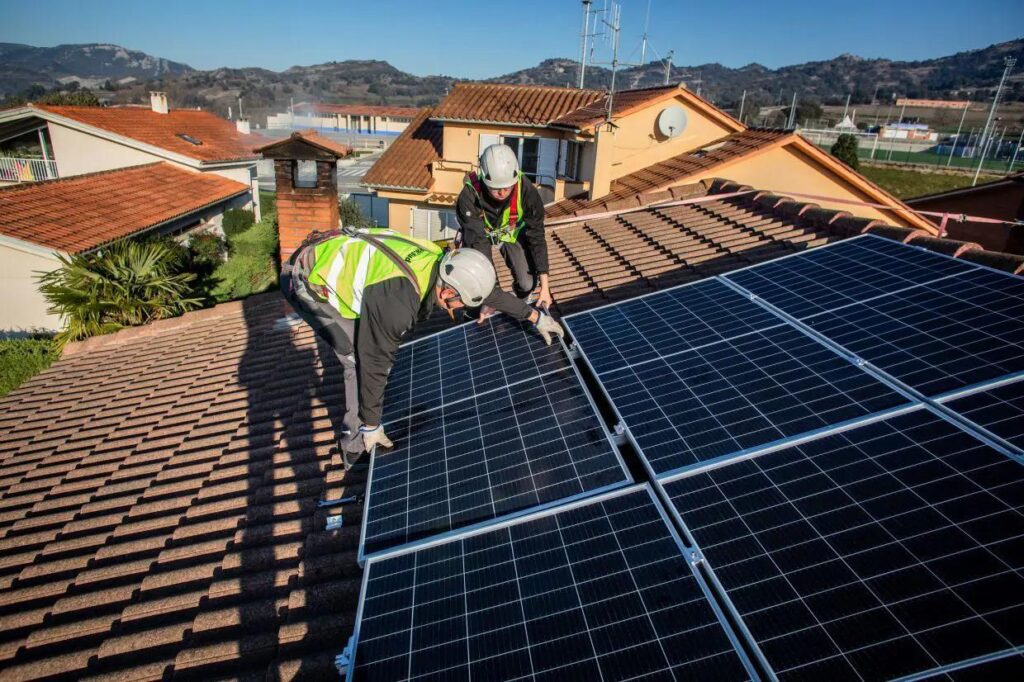
A poorly designed or installed system can underperform for years without the owner even realizing it . The best companies employ certified engineers who conduct thorough site surveys, analyze energy consumption patterns, and design customized systems optimized for specific roof space, orientation, and shading factors. They also ensure installations comply with local building codes and utility requirements for net metering.
2. Product Quality and Sourcing
The solar market is flooded with products of varying quality. Leading companies partner with Tier-1 manufacturers such as LONGi, Jinko, Trina, and JA Solar, known for their durability and efficiency . The inverter, often called the brain of the solar system, is equally critical—it converts DC power from panels into usable AC electricity and must be proven in Pakistan’s challenging climate conditions, including high ambient temperatures and voltage fluctuations .
3. Certification and Compliance
Industry certifications from bodies like the Pakistan Engineering Council (PEC) and the Alternative Energy Development Board (AEDB) indicate a company’s professionalism and adherence to standards. Buyers should verify recent certificate validity and city-level support before proceeding . AEDB vendor listings provide a practical shortlist of companies with official recognition.
4. After-Sales Support and Maintenance
Solar systems are long-term investments requiring regular maintenance to ensure peak performance. The Best Solar Company offers comprehensive after-sales support, including monitoring services, periodic maintenance, and prompt repair services. Local presence is particularly important because after-sales support becomes challenging when installers operate remotely through dealers or subcontractors .
5. Transparent Pricing and Financing Options
The best companies provide transparent, itemized quotations showing the cost of panels, inverters, mounting structures, and installation. Many also offer flexible payment plans to make solar accessible to a wider customer base . As one industry leader notes, “clean energy should not be limited to those who can afford large upfront payments” .
Mtech Solar Solutions: Your Trusted Partner in Solar Innovation
In Pakistan’s competitive solar market, Mtech Solar Solutions (mtechsolarsolutions.pk) has established itself as a premier provider of innovative and reliable solar energy solutions. With a deep commitment to quality, technical excellence, and customer satisfaction, Mtech Solar Solutions is helping households and businesses across the country achieve energy independence.
Why Choose Mtech Solar Solutions?
Mtech Solar Solutions stands out through its comprehensive approach to solar energy, combining premium products, professional installation, and unwavering customer support. The company understands that every client has unique energy needs and provides tailored solutions that maximize return on investment.
Premium Product Selection
Mtech Solar Solutions sources its products from internationally recognized manufacturers known for their durability and efficiency. The company offers a wide range of options, including high-efficiency monocrystalline panels from leading brands and advanced hybrid inverters that integrate battery storage capabilities. This commitment to quality ensures that systems deliver optimal performance for 25 years or more.
Expert Installation and Technical Excellence
The company’s team of certified engineers and technicians ensures that every installation meets the highest standards of safety and performance. From initial consultation and system design to installation and commissioning, Mtech Solar Solutions provides end-to-end service that eliminates the hassle of dealing with multiple vendors. Their expertise extends to handling complex commercial and industrial installations, including textile mills, factories, and corporate facilities.
Customer-Centric Approach
Mtech Solar Solutions prides itself on transparent communication and customer satisfaction. The company provides detailed quotations, clear project timelines, and continuous updates throughout the installation process. They work closely with clients to understand energy needs and budget constraints, recommending systems that deliver optimal value without unnecessary expenses.
After-Sales Support and Maintenance
One of the key differentiators for Mtech Solar Solutions is its robust after-sales support. The company offers comprehensive maintenance packages and responsive customer service, ensuring that any issues are resolved promptly to minimize downtime and maximize energy generation. This commitment to long-term support is a testament to their confidence in the quality of their work.
Solar Prices in Pakistan: Understanding the Current Landscape
One of the most common questions asked by potential solar adopters concerns Solar Prices in Pakistan. The cost of solar systems has seen significant fluctuations recently, driven by policy uncertainty, global supply chain dynamics, and currency fluctuations.
Recent Price Trends
The solar market in Pakistan experienced substantial volatility in early 2026. Market reports indicate that solar panel prices increased sharply ahead of the federal budget, with prices rising by Rs 7,000 to Rs 9,000 per unit . For example, a 585-watt panel that previously cost around Rs 18,000 surged to Rs 27,000-28,000, while 645-watt panels climbed from Rs 22,000 to Rs 31,200 .
This price surge was largely driven by speculation that the government would increase GST on imported solar panels from 10% to 18% . Industry insiders warned that inverter prices might follow the same upward trend, adding further pressure on household and commercial installations .
Post-Budget Price Adjustments
Following the federal budget announcement, which did not include the expected tax increase on solar systems, market sentiment shifted and prices began moving downward . Market analysts projected that solar panel prices could decline by around Rs 2,000 in the coming days, with additional reductions of up to Rs 7,000 possible . Lithium battery prices were also expected to fall significantly, reversing at least part of the recent increases .
This episode highlighted the challenges consumers face when making major financial decisions amid policy uncertainty, and the importance of working with trusted partners who provide transparent pricing and guidance.
Factors Affecting Solar Prices
Several factors influence the overall cost of a solar system:
System Size and Capacity: The most significant determinant of cost is the system’s capacity, measured in kilowatts (kW). A typical residential system might range from 3 kW to 10 kW, while commercial installations can go much higher.
Panel Type and Brand: Monocrystalline panels, known for their high efficiency, are generally more expensive than polycrystalline panels. Premium brands from Tier-1 manufacturers command higher prices but offer better performance and warranties.
Inverter Technology: Hybrid inverters, which integrate battery storage capabilities, are more expensive than standard string inverters but offer energy independence and backup power during outages.
Battery Storage: Adding battery storage significantly increases upfront costs but provides protection against grid outages and maximizes self-consumption of solar energy.
Installation and Balance of System: Professional installation by certified technicians, along with mounting structures, wiring, and protection devices, adds to the total cost but ensures safety and performance.
Understanding the Price Tables
Recent market data provides valuable insights into solar panel pricing across different brands and capacities :
| Brand / Model | Wattage | Panel Price (PKR) |
|---|---|---|
| Trina 340/330 | 340/330 | 9,500 |
| Jinko P-Type Bi-facial | 540 | 13,000 |
| Trina 485 | 485 | 13,500 |
| Jinko P-Type Mono-facial | 555 | 13,900 |
| LONGi Hi-Mo 5 Bi-facial | 545/555 | 15,100 |
| Trina 545/540/535 | 535-545 | 15,800 |
| Jinko N-Type Mono | 585 | 16,900 |
| LONGi Hi-Mo 7 (std) | 580-615 | 18,000 |
| JA 575 N-Type Bi-facial | 575 | 17,300 |
| LONGi Hi-Mo X10 Bi-facial | 640/645 | 23,700 |
How to Choose the Best Solar Company in Pakistan
With a clear understanding of costs and the importance of quality, here is a practical guide to selecting the Best Solar Company in Pakistan.
Step 1: Research and Shortlist
Start by compiling a list of reputable solar companies. AEDB vendor listings provide a practical shortlist of officially recognized installers . Look for companies with a strong presence in your city, as local support is critical for after-sales service . Mtech Solar Solutions is an excellent starting point given its reputation and comprehensive service offering.
Step 2: Verify Credentials
Check for certifications from AEDB, PEC, and other relevant authorities. Verify recent certificate validity and ensure the company has the necessary approvals for net metering installations.
Step 3: Evaluate Product Quality
Ask about the brands and specifications of the products being offered. Ensure panels come from Tier-1 manufacturers and inverters are proven in Pakistan’s climate conditions. High-quality components from reputable manufacturers ensure better performance and longevity.
Step 4: Assess After-Sales Support
Inquire about warranties, maintenance packages, and service response times. A company that stands behind its work and offers robust after-sales support is a reliable choice. Remember that local presence matters greatly for timely support .
Step 5: Request Transparent Quotations
Contact shortlisted companies for detailed, itemized quotations showing the cost of panels, inverters, mounting structures, and installation. Compare quotes carefully, understanding that the cheapest option is rarely the best value.
Step 6: Review Past Projects
Request a portfolio of completed projects or ask for references. Speaking with past customers can provide valuable insights into the company’s professionalism and reliability.
Conclusion
Investing in solar energy is one of the most intelligent decisions you can make in today’s economic climate. With Pakistan’s solar capacity growing exponentially and electricity costs continuing to rise, solar power offers a hedge against inflation, reduced carbon footprint, and genuine energy security. However, the success of your solar project hinges on selecting the Best Solar Company in Pakistan—one that combines technical expertise, premium products, transparent pricing, and unwavering after-sales support.
Mtech Solar Solutions embodies these qualities, offering comprehensive solar solutions tailored to meet the unique needs of Pakistani households and businesses. Their commitment to quality, customer satisfaction, and innovation makes them a standout choice in Pakistan’s competitive solar market.
As Pakistan continues to embrace renewable energy, now is the perfect time to make the switch. Partner with a reliable company, design a system tailored to your needs, and start enjoying the benefits of solar power today.
Frequently Asked Questions (FAQs)
1. What is the current average cost of a solar system for a home in Pakistan?
The cost of a residential solar system varies based on capacity, panel type, and component quality. A typical 5 kW grid-tied system ranges from PKR 400,000 to PKR 700,000, though prices have seen recent fluctuations. Panel-only prices range from approximately PKR 9,500 to PKR 24,000 per panel depending on brand and wattage . For an accurate quote tailored to your specific needs, it’s advisable to consult with a reputable company like Mtech Solar Solutions.
2. How long does it take for a solar system to pay for itself?
The payback period for a solar system in Pakistan is typically between 3 to 5 years, thanks to rising electricity tariffs and net metering benefits. SMEs can see a return on investment even faster, with many businesses reducing electricity costs by up to 90% . After the payback period, you can enjoy essentially free electricity for the remainder of the system’s 25-year lifespan with proper maintenance.
3. Is net metering available throughout Pakistan?
Net metering is available in many parts of Pakistan, but the exact availability and regulations can vary by region and electricity distribution company. It is best to check with your local utility provider or consult with a solar company like Mtech Solar Solutions to determine if net metering is available in your area and how to apply for it.
4. What maintenance is required for a solar panel system?
Solar panel systems require minimal maintenance. The primary task is keeping panels clean and free from dust, debris, and bird droppings to ensure maximum sunlight absorption. Professional inspection and maintenance at least once a year is recommended to ensure all components are functioning optimally. Many companies, including Mtech Solar Solutions, offer comprehensive maintenance packages for peace of mind.
5. What should I look for when choosing a solar company?
When selecting a solar company, verify AEDB certification, assess the quality of products offered (premium panels and proven inverters), evaluate after-sales support capabilities, request itemized quotations, and review past projects. Local presence is particularly important for reliable after-sales service . Mtech Solar Solutions excels in all these areas, making them a trusted partner for solar installations across Pakistan.