Some products simply can’t survive at room temperature or even standard refrigeration — they need genuine freezing to remain safe and usable over time. Frozen Storage plays a critical role for businesses across food, pharmaceuticals, and logistics, where maintaining sub-zero conditions consistently is the difference between preserved inventory and significant financial loss.
What Is Frozen Storage and Why It’s Different
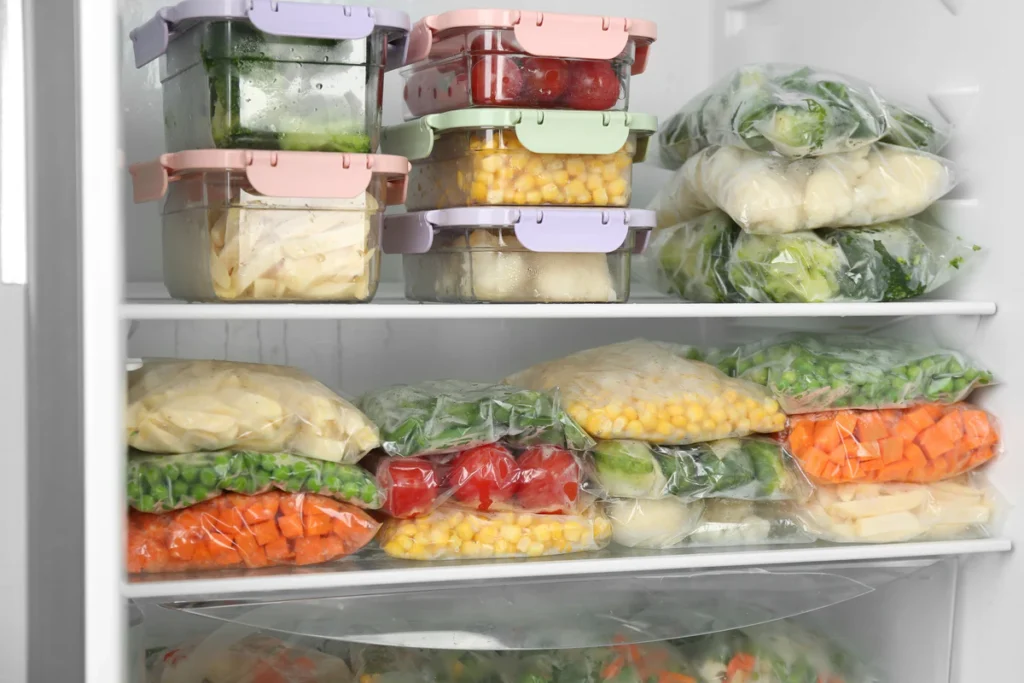
Frozen storage maintains temperatures well below 0°C, typically between -18°C and -25°C depending on the product, allowing items to be preserved for extended periods without the bacterial growth and spoilage risks associated with chilled or room-temperature storage. This makes it essential for:
- Frozen meat, poultry, and seafood
- Frozen ready-to-eat meals and packaged foods
- Certain pharmaceuticals and biological samples requiring deep-freeze conditions
- Ice cream and frozen dessert products
- Bulk frozen ingredients for food manufacturing
Unlike chilled storage, where minor temperature fluctuations might be tolerable for short periods, frozen storage requires strict, continuous temperature control — even brief lapses can compromise product safety or quality irreversibly.
Key Features of a Reliable Frozen Storage Facility
Consistent Sub-Zero Temperature Control A dependable frozen storage facility maintains stable temperatures with minimal variance, even during frequent loading and unloading, since temperature swings can cause partial thawing and refreezing that damages product texture and safety.
Robust Backup Power Systems Given how quickly frozen goods can be compromised during a power outage, reliable backup generators are non-negotiable for any serious frozen storage operation, particularly important given regional power grid considerations.
Continuous Monitoring and Alerts Automated temperature logging with instant alerts allows facility staff to respond immediately to any deviation, rather than discovering an issue only after products have already been affected.
Efficient Cold Chain Handling Well-designed facilities minimize the time frozen goods spend outside controlled conditions during transfer, often using insulated loading docks or rapid-transfer protocols.
Strict Hygiene and Compliance Standards Particularly for food and pharmaceutical products, frozen storage facilities need to meet relevant health and safety regulations, including proper documentation for audits.
Frozen Storage in Riyadh
As Saudi Arabia’s largest commercial center, Riyadh has seen growing demand for frozen storage in Riyadh, driven by the city’s expanding food distribution, retail, and quick-service restaurant sectors. Businesses operating in Riyadh typically need frozen storage facilities that offer:
- Strategic locations near major distribution routes for efficient last-mile delivery
- Reliable backup power given the high cooling demands of the region’s climate
- Scalable space to manage seasonal demand spikes, particularly around major retail and holiday periods
- Compliance with Saudi Food and Drug Authority (SFDA) standards for frozen food handling
Riyadh’s intense summer heat makes the reliability of frozen storage infrastructure especially critical, as facilities must maintain extreme internal cold despite challenging external conditions for much of the year.
Frozen Storage in Saudi Arabia
Beyond Riyadh, demand for frozen storage in Saudi Arabia has grown substantially across cities including Jeddah and Dammam, supported by:
- Expansion of cold chain logistics under Vision 2030 infrastructure initiatives
- Growth in frozen food imports and domestic frozen food manufacturing
- Rising demand from e-commerce and grocery delivery services requiring frozen product fulfillment
- Increased focus on food security and supply chain resilience nationwide
Given the Kingdom’s climate, frozen storage facilities across the country face unique operational challenges in maintaining cold chain integrity from storage through transport to final delivery.
Choosing the Right Frozen Storage Partner
When evaluating frozen storage providers, businesses should assess:
- Verified temperature consistency records and monitoring transparency
- Backup power reliability, particularly during peak summer months
- Relevant regulatory compliance and certifications
- Location and accessibility relative to distribution needs
- Flexibility to scale storage capacity as business needs change
Units: A Storage Provider Worth Considering
Units offers flexible frozen storage solutions designed to meet the demands of businesses across Saudi Arabia’s food, pharmaceutical, and logistics sectors. Their facilities are built to handle the Kingdom’s challenging climate conditions while maintaining the strict temperature reliability that frozen goods require. With coverage extending across key cities including Riyadh, Units supports businesses needing dependable frozen storage without the capital investment of building in-house facilities. More information is available at units.sa.
Conclusion
Frozen storage demands a level of precision and reliability that goes beyond standard chilled storage, given the serious consequences of even brief temperature lapses. Whether searching specifically for frozen storage in Riyadh or evaluating options more broadly across Saudi Arabia, businesses should prioritize providers with proven backup power systems, consistent monitoring, and regulatory compliance. Providers like Units, offering scalable frozen storage solutions, are worth including when comparing options to support reliable, long-term cold chain management.
FAQs
1. What temperature range defines frozen storage? Frozen storage typically maintains temperatures between -18°C and -25°C, significantly colder than chilled storage which stays between 0°C and 8°C.
2. Why is backup power especially critical for frozen storage? Even brief power loss can cause partial thawing, compromising product safety and quality in ways that are often irreversible once it occurs.
3. What types of businesses need frozen storage the most? Food distributors, frozen food manufacturers, pharmaceutical companies, and quick-service restaurants relying on frozen ingredients are among the heaviest users.
4. How does Saudi Arabia’s climate affect frozen storage operations? The Kingdom’s high external temperatures place significant strain on cooling systems, making reliable infrastructure and backup power even more essential than in cooler climates.
5. What should businesses verify before choosing a frozen storage provider? Check for documented temperature consistency, backup power capability, relevant regulatory compliance (such as SFDA standards), and scalability to match business growth.